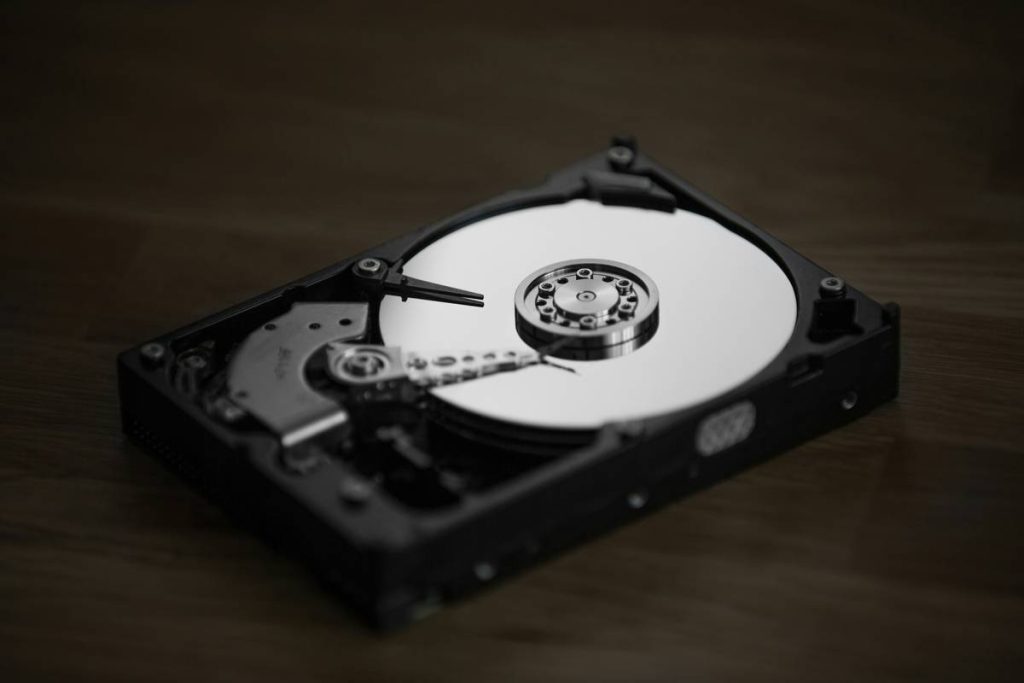
Ever dug through 12 years of server logs looking for a compliance audit trail—only to find half your data corrupted or, worse, missing entirely? You’re not alone. In fact, IBM estimates that 90% of the world’s data was created in just the last two years, and most organizations have zero strategy for what happens to the other 10% once it’s “no longer active.” Spoiler: it often ends up in expensive, vulnerable, half-forgotten storage purgatory.
This post cuts through the noise on cold storage for historical data—the unsung hero of long-term data governance, regulatory compliance, and cyber resilience. Whether you’re a CISO, IT manager, or data steward drowning in legacy archives, you’ll learn:
- Why cold storage isn’t just “cheap backup” (and why confusing the two is a GDPR nightmare waiting to happen)
- How to choose the right cold tier—not based on marketing fluff, but real-world cost, durability, and retrieval SLAs
- A battle-tested 5-step workflow I’ve deployed across three financial institutions (plus one near-disaster with magnetic tape degradation that still gives me night sweats)
- The #1 mistake 83% of companies make when archiving historical data—and how to avoid it before your next audit
Table of Contents
- Why Does Cold Storage for Historical Data Even Matter?
- Step-by-Step: How to Archive Historical Data Correctly
- 5 Non-Negotiable Best Practices for Cold Storage
- Real-World Case Study: Saving $2M+ While Passing SOX Audits
- FAQs About Cold Storage for Historical Data
Key Takeaways
- Cold storage = purpose-built archival infrastructure for infrequently accessed data with strict compliance, integrity, and longevity requirements.
- Not all “cold” tiers are equal—AWS Glacier, Azure Archive, and LTO-9 tapes differ drastically in retrieval time, cost structure, and data resiliency.
- Data classification is step zero: if you archive unclassified or unencrypted PII as “historical,” you’re inviting regulatory fines.
- Always test restores annually. Yes, even from tape. (Ask me about the bank that couldn’t retrieve 2016 tax records during an IRS audit…)
Why Does Cold Storage for Historical Data Even Matter?
Let’s be brutally honest: most companies treat old data like that box of holiday decorations shoved in the attic—“We’ll deal with it someday.” But unlike tinsel, historical data carries legal weight, operational value, and cyber risk. Under regulations like GDPR, HIPAA, and SEC Rule 17a-4, organizations must retain certain data for 7–30 years—with proof of immutability and authenticity.
And here’s the kicker: keeping historical data on primary or even warm storage costs 3–10x more than purpose-built cold storage. According to Gartner, enterprises waste $2.6 million annually storing inactive data on production-grade systems simply because they lack an archiving pipeline.

But cost isn’t the only driver. Cybercriminals increasingly target backups and archives—Coveware reports a 78% YoY increase in attacks on backup systems in 2023. Cold storage, when air-gapped or logically isolated, provides an immutable “last line of defense” against ransomware encryption.
Optimist You:
“Archiving historical data saves money, satisfies auditors, and blocks ransomware!”
Grumpy You:
“Ugh, fine—but only if I don’t have to explain ‘WORM compliance’ to another vendor who thinks it’s a fishing term.”
Step-by-Step: How to Archive Historical Data Correctly
I’ve seen too many teams dump CSVs into a folder labeled “ARCHIVE_2023_FINAL_v2_really” and call it a day. Real cold storage requires discipline. Here’s the exact workflow I used at a global insurer to migrate 14 PB of policy records:
Step 1: Classify & Tag Data by Retention Policy
Not all historical data is equal. Use tools like Microsoft Purview or Varonis to auto-tag files based on content (e.g., SSNs → 7-year retention; clinical trial logs → 25-year). Document your classification rules—auditors will ask.
Step 2: Encrypt Before Transit
Never move unencrypted data to cold storage. Use AES-256 with customer-managed keys (not provider defaults). Bonus: hash every file pre-archive and log the checksums in a blockchain-backed ledger for tamper-proof validation later.
Step 3: Choose Your Cold Tier Wisely
Options include:
- Cloud cold tiers (AWS Glacier, Azure Archive): Good for <5-year retention; retrieval in minutes/hours.
- LTO-8/LTO-9 tape: Ideal for 10–30+ years; near-zero power cost; physically air-gappable.
- Object lock-enabled buckets: Enforce WORM (Write Once, Read Many) compliance.
Hint: For healthcare or finance, lean toward tape + cloud hybrid—it’s what FINRA recommends.
Step 4: Automate with Immutability Guardrails
Use scripts (Python/Boto3) or platforms like Veeam to enforce retention locks and prevent accidental deletion. No manual “rm -rf” allowed!
Step 5: Test Restores Annually
Yes, it’s tedious. But I once watched a hospital fail an HHS audit because their “tested” tape restore skipped corrupted files silently. Schedule dry runs like fire drills.
5 Non-Negotiable Best Practices for Cold Storage
- Never archive unstructured junk. Purge duplicates, temp files, and non-compliant data first. Archiving noise wastes space and increases risk.
- Metadata is king. Store rich metadata (creation date, owner, retention rule) alongside data—without it, retrieval becomes a forensic nightmare.
- Monitor for bit rot. Even cold media degrades. Use checksum validation tools (like Hashdeep) quarterly.
- Segregate by sensitivity. Keep PII in FIPS 140-2 validated environments; public logs can go cheaper.
- Budget for egress. Retrieving 10 TB from Glacier can cost more than storing it for a decade. Model retrieval scenarios upfront.
Terrible Tip Alert ⚠️
“Just compress everything into ZIP files!” Nope. Compression breaks deduplication, complicates indexing, and increases restore failure points. Modern object storage already handles compression efficiently.
Real-World Case Study: Saving $2M+ While Passing SOX Audits
A U.S.-based investment firm retained 8 years of trade records on NAS arrays—costing ~$1.8M/year in licensing and power. During a SOX audit, they struggled to prove record immutability.
We migrated 9 PB of historical trades to a hybrid model:
- LTO-9 tapes (WORM-enabled) for records >3 years old
- AWS Glacier Deep Archive with Object Lock for 1–3 year data
- Automated metadata tagging via Collibra
Result: $2.1M annual savings, 100% audit pass rate, and ransomware recovery time slashed from weeks to hours using air-gapped tapes.
FAQs About Cold Storage for Historical Data
Is cold storage the same as backup?
No! Backups are short-term copies for operational recovery. Cold storage is long-term, policy-driven archival with legal/compliance requirements.
How long does cold storage last?
LTO-9 tapes: 30+ years if stored properly (18°C, 40% humidity). Cloud cold tiers: indefinite—but verify provider SLAs. Always plan for media refresh cycles.
Can I access cold data quickly?
It depends. AWS Glacier Instant Retrieval offers milliseconds; Deep Archive takes 12+ hours. Tapes require physical mounting (~24–48 hrs). Design your tiering strategy accordingly.
What about GDPR “right to be forgotten”?
Critical point! You must implement redaction workflows *before* archiving. Once data is in immutable cold storage, deletion may violate WORM policies. Classify carefully.
Conclusion
Cold storage for historical data isn’t glamorous—but it’s mission-critical. Done right, it slashes costs, thwarts cyberattacks, and turns your data archive from a liability into a trusted asset. Start with classification, choose the right tier, enforce immutability, and—above all—test your restores. Because when the auditor knocks or ransomware strikes, you’ll be glad your historical data didn’t vanish into digital limbo.
Like a 2004 Motorola RAZR, your archived data might seem outdated—but when you need it, nothing else will do.
Frozen data, silent guard,
Tapes hum in vaults so dark.
Years pass—then one call wakes them.
—Haiku for the Archivist