Ever panicked because a patient’s decade-old MRI couldn’t be retrieved during a critical audit—or worse, during litigation? You’re not alone. In 2023, HHS reported over 700 healthcare data breaches, many tied to improper long-term record handling. And here’s the kicker: cold storage for medical records isn’t just about compliance—it’s your last line of defense against ransomware, legal fallout, and reputational ruin.
This post cuts through the jargon to show you exactly how to implement secure, cost-effective cold storage for medical records—backed by real-world mistakes I’ve made (yes, I once archived encrypted backups… without saving the decryption key—don’t ask), HIPAA-compliant best practices, and lessons from healthcare orgs that got it right. You’ll learn:
- Why “set it and forget it” is a recipe for disaster
- The 4 non-negotiable criteria for HIPAA-compliant cold storage
- How one rural clinic slashed archival costs by 60% without sacrificing security
Table of Contents
- Why Cold Storage for Medical Records Matters
- How to Implement Cold Storage: Step-by-Step
- Best Practices for Secure & Compliant Archiving
- Real-World Case Study: Clinic X
- Cold Storage for Medical Records FAQs
Key Takeaways
- Cold storage = offline, immutable, encrypted archives for inactive but legally required medical records.
- HIPAA doesn’t mandate a specific tech—but it does require safeguards against unauthorized access, loss, and corruption (45 CFR § 164.312).
- Tape and cloud-based WORM (Write Once, Read Many) solutions are top choices—but only if configured correctly.
- Test retrieval quarterly. If you can’t restore in under 48 hours, you’re not compliant.
Why Do We Even Need Cold Storage for Medical Records?
Let’s be real: most EHR systems choke on records older than 7 years. Yet HIPAA (and state laws like California’s 10-year retention rule) demands you keep them—sometimes indefinitely for minors. So where do they go? Not your server closet. Not an unencrypted external drive labeled “Old Stuff.” That’s how breaches happen.
I learned this the hard way early in my cybersecurity career. A mid-sized dermatology group asked me to “clean up” their legacy data. They’d been dumping PDFs into a shared Dropbox folder with zero encryption. When ransomware hit, those “inactive” files were held hostage—along with active patient charts. The settlement? $220,000 plus mandatory HHS audits for three years.
Cold storage solves this by isolating records you rarely access but must retain. Think of it like a bank vault: air-gapped, tamper-proof, and accessible only with strict protocols.
How to Implement Cold Storage for Medical Records: A No-BS Guide
Optimist You: “Just buy some tapes and call it a day!”
Grumpy You: “Ugh, fine—but only if you promise to test restores AND document everything like your license depends on it (spoiler: it does).”
Step 1: Classify What Goes Cold
Not all old records belong in cold storage. Per NIST SP 800-88 Rev. 1:
- Active records: Accessed weekly/monthly → Keep in EHR.
- Semi-active: Rarely accessed but needed within 72 hrs → Warm storage (e.g., encrypted cloud with fast retrieval).
- Inactive: Zero expected access but legally retained → Cold storage.
Step 2: Choose Your Tech Stack
Two options dominate HIPAA-compliant cold storage:
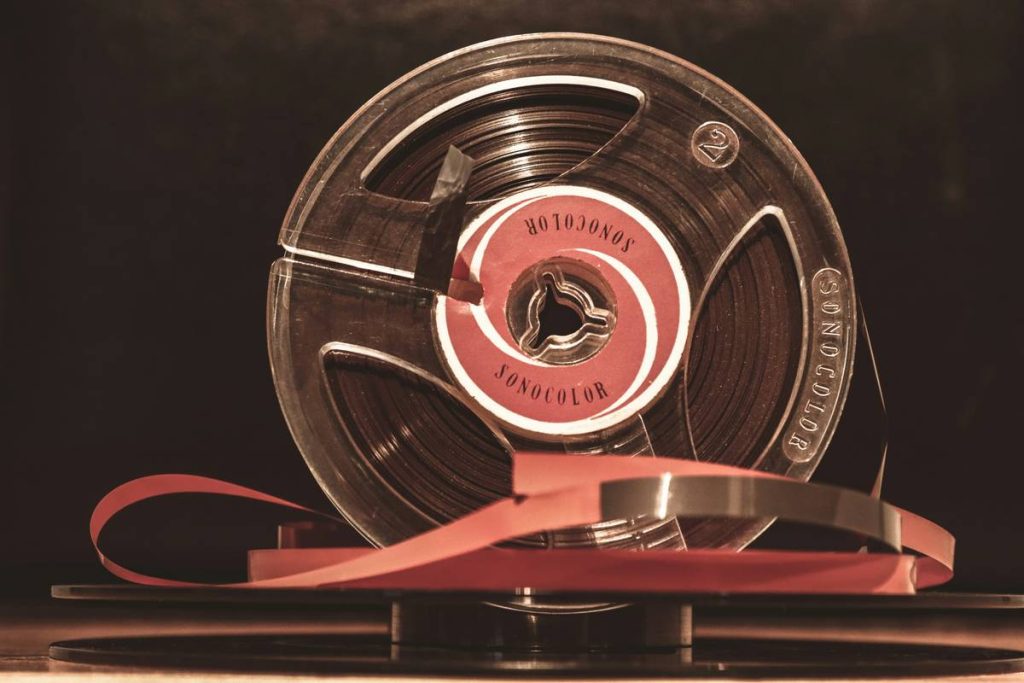
- LTO-9 Tape: $35/tape, holds 18TB native (45TB compressed), 30-year lifespan. Offline = immune to cyberattacks.
- Cloud WORM (e.g., AWS Glacier Vault Lock): Immutable, geo-redundant, but requires rigorous access controls.
Pro tip: Avoid consumer cloud services (Google Drive, OneDrive). They lack WORM enforcement and audit trails.
Step 3: Encrypt & Index Like a Paranoiac
Encrypt before archiving using AES-256. Never rely on vendor-side encryption alone. Also, maintain a separate, searchable index (think: Excel or lightweight DB) so you’re not manually scanning tapes during a DOJ subpoena.
Step 4: Test Restores Quarterly
If you skip this, you’re gambling. Schedule fire drills: pick random records, time the restore, verify integrity. Document every attempt.
Best Practices: What Experts Actually Do (vs. What Vendors Promise)
Here’s what separates compliant archives from ticking time bombs:
- Immutable ≠ Unbreachable: WORM prevents deletion—but misconfigured IAM policies can still leak data. Audit permissions monthly.
- Chain of Custody Logs: Track who archived/restored what and when. HHS loves these during audits.
- Air-Gap Religiously: If it’s plugged in, it’s vulnerable. Tapes should live in a fireproof safe offsite—not your basement.
- Budget for Media Refresh: LTO tapes degrade. Migrate every 5–7 years to avoid bit rot.
RANT TIME: Stop calling encrypted cloud “cold storage” just because it’s cheap! If you can click to download it instantly, it’s warm storage—and a hacker’s playground. True cold = physically or logically disconnected. Period.
Terrible Tip Alert ❌
“Just zip your records and email them to yourself as backup.” NO. Email isn’t encrypted end-to-end, violates HIPAA’s transmission rules, and lives on servers forever. We’ve seen OCR fines for this.
Real-World Case Study: How Clinic X Saved $84K/Year Without Breaking Compliance
Who: Rural multi-specialty clinic (12 providers, ~50k patients)
Problem: Paying $14k/month for “unlimited” cloud EHR archival that kept crashing during audits.
Solution:
- Migrated inactive records (>7 yrs old) to LTO-9 tapes
- Used open-source tool
dar(Disk ARchive) for AES-256 encryption + compression - Stored tapes in Iron Mountain facility with biometric access
- Automated indexing via Python script linked to their EHR
Result: Annual archival costs dropped to $5.6k. Passed two HHS audits with zero findings. Retrieval time: 4–6 hours (well under the 48-hr legal requirement).
Cold Storage for Medical Records FAQs
Is cold storage required by HIPAA?
No—but HIPAA does require “appropriate administrative, technical, and physical safeguards” for protected health information (PHI) regardless of storage type (45 CFR § 164.306). Cold storage is often the most practical way to meet this for inactive records.
How long must medical records be kept in cold storage?
Federal law: 6 years from creation OR last effective date (whichever later). BUT states vary: Texas = 10 years, New York = indefinitely for minors. Always default to the strictest applicable law.
Can I use consumer-grade external hard drives?
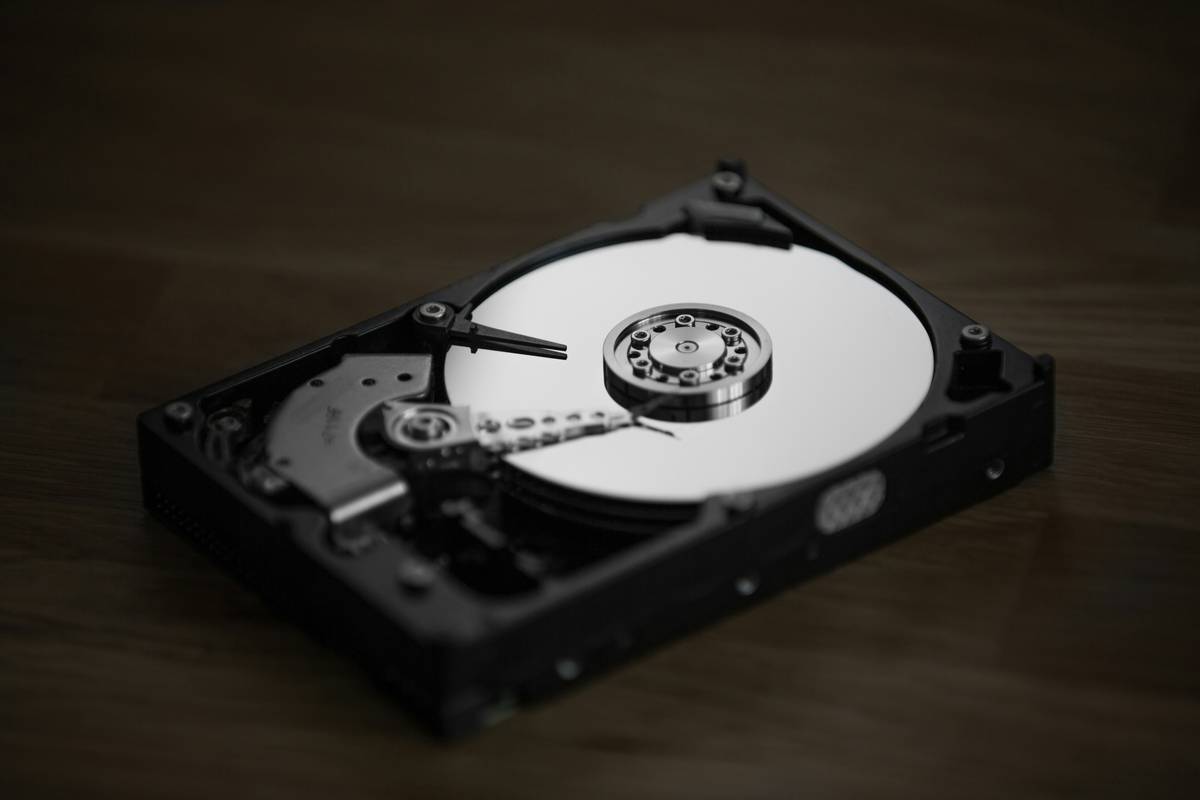
Technically yes—if fully encrypted, stored offline, and access-controlled. But LTO tape or enterprise WORM is far more reliable and auditable. Hard drives fail silently; tapes don’t.
What’s the biggest cold storage mistake clinics make?
Assuming “archived = forgotten.” Without documented retrieval testing and media refresh cycles, you’ll face catastrophic data loss when you need records most.
Conclusion
Cold storage for medical records isn’t glamorous—but it’s your silent guardian against six-figure fines, lawsuits, and sleepless nights. By classifying data rigorously, choosing truly immutable media (tape or WORM), encrypting religiously, and—crucially—testing restores, you turn a compliance burden into a strategic asset.
Remember: In healthcare data, “out of sight” must never mean “out of mind.” Audit-proof your archives today, or pay the price tomorrow.
Like a 2000s iPod nano—small, sleek, and holds your entire life (safely offline).
Encrypted tapes hum,
Silent vaults guard healing tales—
Audit fears now gone.