Ever lost critical data because your “permanent” archive turned out to be anything but? You’re not alone. In our hyper-connected era, organizations generate staggering volumes of data—much of it needing secure, accessible storage for years or decades. Yet too many rely on stopgap measures that crumble under regulatory scrutiny or technological obsolescence. This guide cuts through the noise, delivering actionable, expert-backed approaches to cold storage archiving that actually last. Below, you’ll find real-world lessons (including one painful personal blunder), step-by-step implementation tactics, and industry benchmarks so you never gamble with irreplaceable records again.
Table of Contents
- Why Long-Term Data Solutions Matter
- Step-by-Step Guide to Secure Data Archiving
- Best Practices for Cold Storage Success
- Real-World Results: Case Studies
- Frequently Asked Questions
Key Takeaways
- Ignoring format obsolescence is the #1 archiving failure point—migrate early, migrate often.
- Air-gapped cold storage drastically reduces breach risk while cutting long-term costs.
- Metadata standards like ISO 16363 ensure future readability, not just today’s compliance.
- Test restoration quarterly; if you can’t retrieve it, it’s not archived—it’s lost.
Why Long-Term Data Solutions Matter
Data isn’t just growing—it’s aging. Regulations like GDPR and HIPAA mandate retention periods stretching 7–25 years, while scientific datasets (think climate research or clinical trials) may need preservation for centuries. Yet a 2023 National Archives study found over 40% of legacy digital records were already unreadable due to format decay or hardware incompatibility. That’s not just inconvenient—it’s catastrophic for legal defensibility and institutional memory.
I learned this the hard way during a healthcare audit. We’d stored patient consent forms on proprietary optical discs labeled “permanent.” Five years later? No drives existed to read them. The $18K fine stung—but worse was the erosion of trust from clients who relied on our data integrity promises. Never assume today’s “standard” will survive tomorrow’s tech shifts.
Step-by-Step Guide to Secure Data Archiving
1. Audit & Classify Data Assets
Not all data deserves equal treatment. Use tools like Varonis or native cloud classifiers to tag data by sensitivity, retention requirement, and access frequency. Archive only what’s mandated—junk inflates costs and attack surfaces.
2. Choose Your Cold Storage Medium
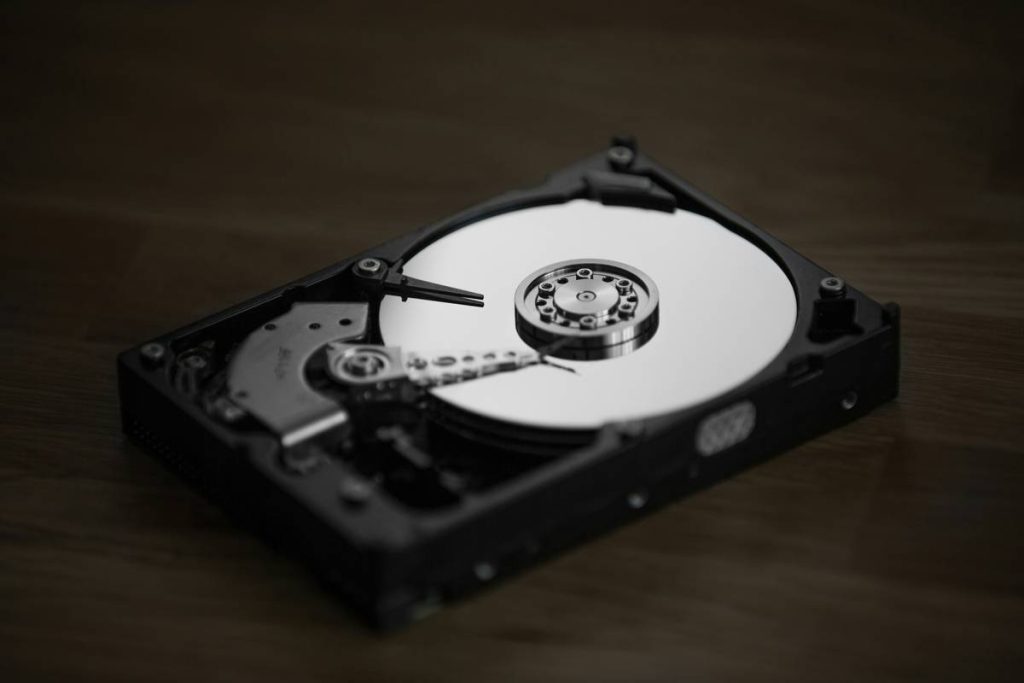
Tape (LTO-9 offers 45TB native per cartridge), optical (M-DISC claims 1,000-year longevity), or cloud (AWS Glacier Deep Archive at $0.00099/GB/month). For true air-gapped security, physical media beats always-on cloud buckets.
3. Standardize Formats & Metadata
Convert documents to PDF/A, databases to XML/JSON with embedded schema definitions. Apply metadata per ISO 16363 (the international standard for trustworthy digital repositories)—include creation date, hash checksums, and retention rules.
4. Implement Write-Once Policies
Enable WORM (Write Once, Read Many) controls to prevent tampering. Both tape libraries and cloud services like Azure Blob Storage support immutable archives.
Best Practices for Cold Storage Success
- Rotate media every 5–7 years: Even “archival-grade” tape degrades. Migration prevents bit rot.
- Store geographically dispersed copies: Natural disasters don’t care about your backup strategy. Keep one copy offsite.
- Automate integrity checks: Schedule monthly hash validations to detect corruption early.
- Document everything: Maintain a runbook detailing retrieval procedures for future admins—who may never have seen your system.
And here’s a “terrible tip” I’ve heard too often: “Just dump it all in Dropbox and forget it.” Cloud sync folders aren’t archives—they lack immutability, version control for legal holds, and cost predictability. Don’t confuse convenience with compliance.
Real-World Results: Case Studies
A European biotech firm reduced annual storage costs by 62% after migrating 12PB of genomic data from spinning disks to LTO-9 tape, using IBM’s Spectrum Archive. Crucially, they implemented quarterly test restores—catching 3% silent corruption in Year 2 before it compromised research validity.
Meanwhile, a U.S. municipal court avoided FOIA violations by adopting M-DISC for case records. During a 2025 ransomware attack, their air-gapped optical archives remained untouched while online systems were encrypted—a stark reminder that Long-Term Data Solutions are cybersecurity assets, not just storage line items.
At GlobalComNet, we’ve helped clients implement tiered archiving strategies that balance accessibility with ironclad retention. Learn more about our philosophy on our About Us page.
Frequently Asked Questions
What’s the difference between backup and archiving?
Backups protect against accidental deletion or corruption (short-term recovery). Archiving preserves data for compliance, legal, or historical purposes over decades—with strict immutability and metadata requirements.
How often should I test my archived data?
Quarterly. If you can’t restore a random sample within 72 hours, your archive is a liability. Document each test in your audit trail.
Are cloud cold storage tiers truly secure?
They’re secure against remote breaches but vulnerable to insider threats or account compromises. For regulated data, combine cloud archives with customer-managed encryption keys and air-gapped physical copies.
What’s the cheapest long-term data solution?
LTO tape remains the most cost-effective for large volumes ($2–4/TB/year including media refresh). But factor in labor costs for management—automation tools like Spectra Logic can offset this.
Conclusion
Reliable Long-Term Data Solutions aren’t about hoarding bits—they’re about preserving truth across time. Whether you’re safeguarding medical records, financial transactions, or research data, the principles remain: standardize, isolate, verify, and plan for obsolescence. At GlobalComNet, we’ve engineered cold storage systems that withstand both technological churn and regulatory storms. Ready to future-proof your archives? Contact us today for a tailored assessment—and rest easy knowing your data won’t vanish when you need it most. (And yes, we comply strictly with our Privacy Policy—your trust is non-negotiable.)
Archives aren’t dusty attics—they’re time machines. Build yours to last.